The place where a problem becomes visible is not always the place where it started.
Water underneath a basin may come from the mixer, a flexible connection or a waste fitting below. A toilet problem may be isolated to one internal component. A drainage issue can sit at the affected fixture or further through the line.
That makes diagnosis more useful than jumping immediately to replacement.
The same principle applies to hot water.
One fault may be worth repairing, while a system that has become increasingly unreliable deserves a broader repair-versus-replacement discussion.
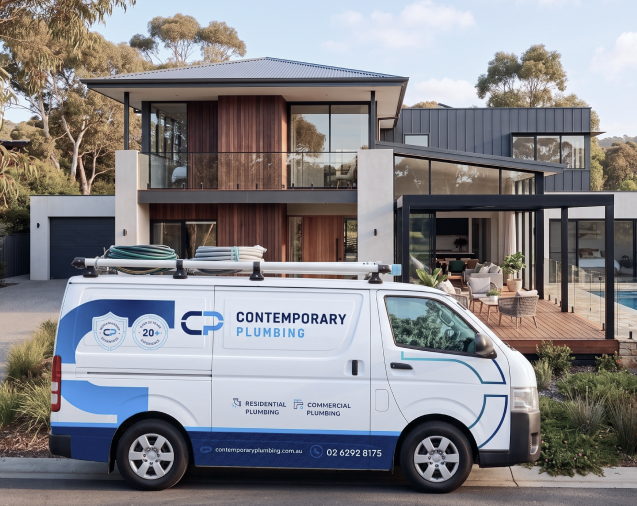
Contemporary Plumbing can keep the work proportionate to the fault while having additional capability available where the plumbing needs more.
The family-oriented property profile makes everyday fixtures, bathrooms, kitchens and hot water sensible examples because they experience regular use. But those examples should reassure rather than narrow.
Someone with a blocked drain, gas issue, leaking toilet or planned installation should still see their need reflected in the page. The service offer stays broad while the local housing context makes the copy feel relevant.
The established family-property context also supports planned work without turning the page into a renovation page. Fixtures, toilets, hot water and drainage can all be repaired, replaced or upgraded as properties change. The page should make those options visible while leaving the diagnosis and customer need to determine which path is relevant.