


7 Ways to Make Your Canberra Home More Energy Efficient
Discover 7 practical ways to create a more energy-efficient home in Canberra, from hot water and plumbing maintenance to solar care and smarter everyday habits.
Making your home more energy efficient doesn’t always require a major renovation or a long list of expensive upgrades. Often, it starts with looking at the systems you already use every day and finding practical ways to make them work more efficiently.
For Canberra homeowners, that can mean paying closer attention to hot water, plumbing, heating and cooling, appliances and rooftop solar. With cold winters and warm summers placing different demands on a home throughout the year, small efficiency improvements can add up.
Here are seven practical ways to create a more energy-efficient home in Canberra.
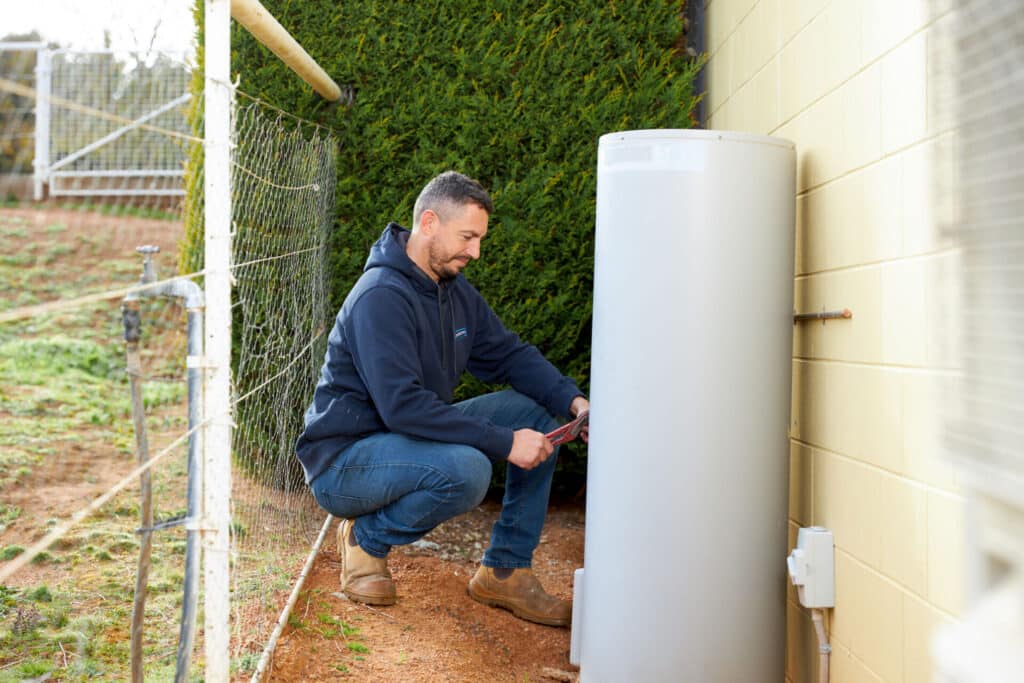
Make Sure Your Hot Water System Suits Your Household
Hot water is one of those things most of us don’t think about until something goes wrong. However, an old, poorly performing or incorrectly sized hot water system can make it harder to manage household energy use.
If your system is reaching the end of its life, regularly running out of hot water or requiring frequent repairs, it may be worth discussing whether a more efficient replacement would suit your home.
The right choice depends on factors such as your household size, typical hot water use, available space and budget. There is no single system that suits every property.
If you’re considering an upgrade, Contemporary Plumbing can help with hot water systems in Canberra, including repairs, replacements and advice on selecting an appropriate system for your household.
Maintaining your existing system is important too. Addressing problems early can help keep it operating reliably rather than waiting until you suddenly have no hot water.
Fix Leaking Taps and Toilets
Energy efficiency and water efficiency often go hand in hand.
A dripping or leaking tap or toilet might seem like a minor annoyance, but ongoing leaks mean treated water is being wasted for no useful purpose. If the leak involves hot water, there may also be unnecessary energy use because your hot water system has already heated that water.
Keep an eye out for:
- Taps that continue dripping after being turned off
- Toilets that keep running after flushing
- Water appearing around fixtures or under cabinets
- Unexplained damp patches
- Changes in your normal water use
Small plumbing problems are generally easier to deal with before they develop into more significant leaks or cause damage around the home.
Use Hot Water More Efficiently
You don’t necessarily need to replace your hot water system to improve the way you use it.
Simple household habits can make a difference. Shorter showers, running dishwashers only when they are full and washing clothes in cold water when appropriate can all reduce unnecessary hot water use.
It’s also worth thinking about your fixtures.
If you’re renovating a bathroom or kitchen, water-efficient showerheads, taps and other fixtures can help reduce the amount of water used without making the space less practical.
For households with several people showering every morning, small changes to hot water habits can be particularly useful.
Keep Your Solar Panels in Good Condition
If your Canberra home already has rooftop solar, looking after the system you have is another part of household efficiency.
Solar panels spend their lives exposed to the outdoors. Dust, leaves, bird droppings and other debris can accumulate over time, while bird activity or physical damage around an array may also require attention.
Homeowners can monitor their solar generation and visually check panels from a safe position on the ground, but climbing onto the roof to clean or inspect them introduces unnecessary risks.
Where professional attention is needed, specialist businesses offer solar panel cleaning and maintenance, including cleaning and system health services. Cleantek Group, for example, provides these services in Victoria. For Canberra properties, homeowners should use an appropriately qualified local provider for any work that needs to be carried out on their system.
The important point is not to install solar and then forget about it completely. Monitoring your system makes it easier to notice when its performance changes unexpectedly.
Stop Heating or Cooling an Empty House
Canberra homes can experience very different heating and cooling needs from one season to the next.
One straightforward efficiency improvement is to be more deliberate about when different areas of the home are heated or cooled.
If you have a system that allows zoning or scheduling, consider whether bedrooms, spare rooms and living spaces really need to be kept at the same temperature all day.
Curtains and blinds can also play a useful role. During colder periods, making use of sunlight during the day and closing window coverings as temperatures fall can help retain warmth. During summer, reducing direct afternoon sun can lessen the amount of heat entering the home.
The goal is simple: avoid making your heating or cooling system work harder than necessary.
Pay Attention to Plumbing Maintenance
Energy efficiency tends to get associated with solar panels and appliances, but good property maintenance matters as well.
Plumbing systems often give warning signs before a larger problem develops. Slow drainage, changing water pressure, unusual noises, recurring blockages and small leaks can all be reasons to investigate further.
Preventative maintenance is particularly worthwhile for landlords, strata properties and busy households where an unexpected plumbing failure can be disruptive.
The same principle applies across your home: maintaining equipment and fixing minor faults early is usually preferable to waiting for something to fail completely.
Focus on the Improvements That Suit Your Home
There is no universal checklist that will turn every property into an energy-efficient home.
A newer house in Gungahlin may have very different priorities from an older property around Canberra Central. One household might benefit most from replacing an ageing hot water system, while another could gain more from repairing leaks, changing everyday habits or getting better performance from systems it already owns.
Before spending money, look at where your household actually uses water and energy.
Ask yourself:
- Is the hot water system reliable and suitable for the number of people in the home?
- Are there taps, toilets or pipes that need attention?
- Is heating or cooling being used in rooms nobody is occupying?
- Is an existing solar system performing as expected?
- Are maintenance issues being addressed promptly?
- Are appliances being used efficiently?
This approach helps prioritise improvements that are relevant to your property rather than making upgrades simply because they are popular.
Small Changes Can Make a More Efficient Home
Improving household efficiency doesn’t have to happen all at once.
Start by maintaining the plumbing and hot water systems you already have, fixing leaks promptly and being more deliberate about everyday water and energy use. If equipment is ageing or no longer performing reliably, that is a good opportunity to consider whether a more efficient solution makes sense.
For Canberra homeowners, regular maintenance is also a practical way to keep essential household systems working reliably through the changing seasons.
If your hot water system needs attention, you’ve noticed a leak or you’d like advice about a plumbing issue at your property, contact Contemporary Plumbing today. Our Canberra plumbing team can assess the problem and recommend a practical solution for your home.
Phone: 02 6292 8175